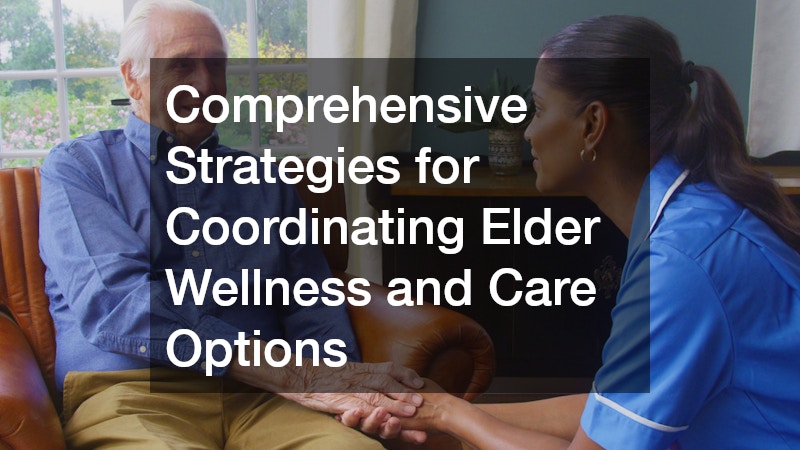
Coordinating the physical health, psychological wellness, and residential care logistics for an aging loved one is one of the most profound acts of love and responsibility a family can undertake. As our parents and relatives transition into their golden years, their physiological baselines, cognitive needs, and physical capabilities shift dynamically. This evolution requires a complete reevaluation of how they interact with their living spaces, manage daily schedules, and access medical infrastructure. For adult children and dedicated family caregivers, navigating this sprawling web of options can feel like an overwhelming challenge, especially when forced to balance career obligations, personal family duties, and complex medical terminology.
Unfortunately, far too many families approach eldercare planning reactively rather than proactively. They wait for a sudden, catastrophic health crisis—such as an unexpected fall, a severe medication error, or a sudden decline in cognitive awareness—before investigating available senior care models. This panic-driven approach frequently forces families into making rushed, high-stress decisions that do not align with the senior’s personal values, long-term health trajectory, or financial resources. To protect your loved one’s dignity, maximize their daily physical comfort, and ensure a seamless continuum of care, you need an objective, strategic roadmap. This comprehensive guide walks you through the entire landscape of modern eldercare, providing deep, actionable tips to help you design a bulletproof, compassionate care ecosystem tailored to your family’s needs.
Conducting a Top-to-Bottom Living Space Safety Audit
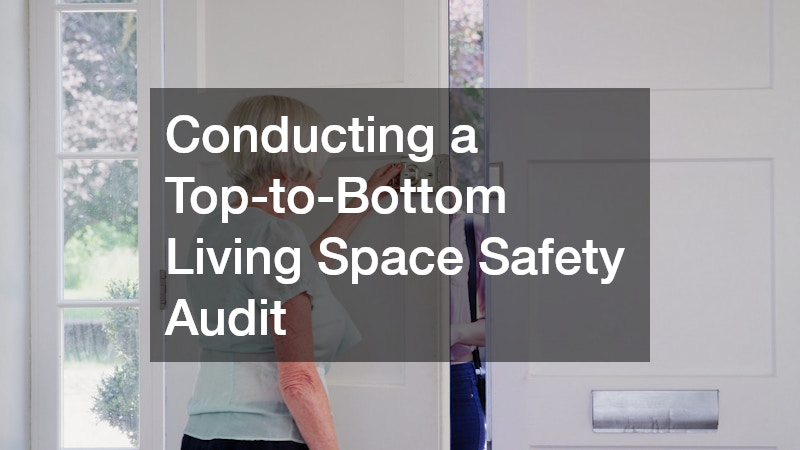
Before you introduce professional care networks or begin researching alternative senior residential addresses, your immediate strategic focus must be on optimizing the safety and structural reliability of your loved one’s current home. The vast majority of aging individuals express a strong, clear preference for aging in place, desiring to maintain their independence within their familiar neighborhood surroundings. However, traditional home architecture is rarely designed with senior mobility in mind, meaning a space filled with steep staircases, narrow door frames, slick bathroom tiles, and poor lighting can rapidly transform into an invisible obstacle course.
Falls are the leading cause of preventable injuries and structural health declines among older adults, often triggering a cascading chain of hospitalization, muscle atrophy, and a permanent loss of independence. Minimizing this risk demands an aggressive, top-to-bottom environmental audit. You must examine the property through a lens of absolute physical accessibility, removing structural trip hazards and installing specialized hardware long before physical frailties make those modifications an emergency necessity.
Actionable Tips for Home Safety Optimization
- Eradicate all hidden environmental trip hazards: Walk through every room of the house and permanently remove thick throw rugs, exposed electrical cords, low-profile coffee tables, and cluttered hallway decorations that could catch a senior’s foot.
- Illuminate the interior layout strategically: Install high-lumen, motion-activated LED lighting systems along dark hallways, underneath kitchen counters, and throughout stairwells to ensure your relative has flawless visibility during late-night movements.
- Mount commercial-grade accessibility hardware: Secure heavy-duty, slip-resistant grab bars into the structural wall studs surrounding all toilets, showers, and bathtubs. Place a weighted, medical-grade transfer bench inside the shower basin to eliminate the need for standing on slick surfaces.
- Secure authoritative property diagnostic reviews: Schedule a comprehensive local home inspection with a certified inspector who possesses specialized training in senior-accessibility structures to audit your relative’s electrical panel safety, structural handrail stability, and overall flooring level uniformity.
Optimizing Mobility and Preserving Day-to-Day Independence
A senior’s sense of psychological well-being, cognitive longevity, and emotional health is deeply linked to their level of personal autonomy and daily independence. When an aging individual experiences a decline in physical mobility, the sudden inability to run simple grocery errands, visit neighborhood friends, or participate in community events can lead to profound feelings of isolation, depression, and rapid cognitive decline. Preserving their quality of life requires implementing proactive strategies that keep them physically active and socially integrated.
Optimizing mobility involves a careful combination of physical conditioning, nutritional support, and the strategic integration of modern assistive technologies. By equipping your aging relative with the proper tools to navigate both their immediate home and the wider community safely, you eliminate the emotional barrier of feeling trapped or dependent on others. This preservation of freedom is one of the greatest gifts you can provide for an aging parent’s dignity.
Actionable Tips for Preserving Autonomy
- Coordinate targeted, low-impact conditioning exercises: Partner with a licensed physical therapist to design a customized home exercise routine that focuses heavily on strengthening core muscles, improving ankle flexibility, and sharpening vestibular balance.
- Optimize structural nutrition and hydration metrics: Ensure your relative’s daily routine includes highly accessible, pre-portioned nutrient-dense meals that provide ample lean proteins, calcium, and vitamin D to combat muscle wasting and preserve bone density.
- Incorporate advanced motorized transport solutions: Research, select, and deploy a high-performance mobility scooter equipped with anti-tip stabilization wheels, a highly intuitive control console, and a long-range battery system to allow your loved one to comfortably navigate local parks and shopping districts independently.
Sourcing and Vetting Specialized In-Home Care Teams
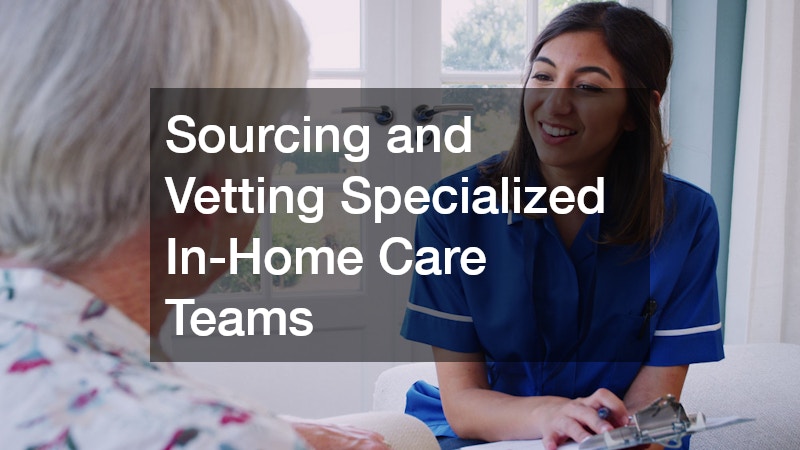
There will inevitably come a point in the aging process where the physical demands of daily home management—such as executing meticulous medication schedules, cooking nutritious hot meals, maintaining personal hygiene, and keeping up with laundry—surpass what a senior can safely accomplish independently. When these daily operational gaps materialize, introducing a professional, localized care team into the home is the most effective way to maintain high safety standards without forcing your relative to undergo a stressful change of address.
Introducing a stranger into your parents’ private home requires a rigorous vetting protocol that values safety, legal compliance, and emotional compatibility above all else. Relying on unverified independent contractors can expose your family to immense financial liabilities, scheduling gaps, and potential safety risks. Partnering with a fully licensed, bonded, and insured corporate agency guarantees that the individuals entering your loved one’s personal space are thoroughly vetted professionals.
Actionable Tips for In-Home Care Vetting
- Mandate multi-state criminal background screenings: Prioritize agencies that enforce mandatory, continuous background checks, drug screenings, and credential verifications for their entire field staff, ensuring absolute safety for your vulnerable relative.
- Enforce transparent, personalized care plans: Collaborate closely with the intake coordinator to craft an explicit, daily clinical schedule that places compassionate, dignified patient care at the center of every home visit, tracking hydration levels and skin integrity systematically.
- Partner with a comprehensive, full-service provider: Secure your labor resources through an accredited home care company that handles all employer payroll taxes, workers’ compensation insurance, and automatic emergency caregiver backup scheduling seamlessly on your behalf.
Scaling Up to High-Level Lifestyle and Clinical Support at Home

For families caring for seniors with rapidly progressing neurodegenerative disorders, severe physical frailty, or complex, multi-layered chronic medical conditions, standard hourly home assistance may prove insufficient to guarantee safety. When a senior requires round-the-clock monitoring or highly sophisticated clinical management, traditional care structures must be upgraded to a premier, boutique model that provides absolute continuity, elite medical training, and unparalleled scheduling flexibility.
High-level home support models move past basic companionship and focus on creating an elite, highly coordinated care environment inside the residence. This level of care requires clinicians who can operate advanced medical machinery, recognize subtle changes in clinical baselines, manage intense behavioral shifts, and coordinate private logistics effortlessly, allowing families to maintain total peace of mind during complex transitions.
Actionable Tips for Advanced Home Support
- Demand advanced specialized clinical credentials: Ensure the professionals assigned to your loved one’s care plan hold specialized certifications in complex areas such as advanced dementia management, mechanical transfers, and wound care.
- Contract custom, elite lifestyle care networks: Secure the specialized support of an agency that delivers concierge home care services to manage complex pharmaceutical regimens, facilitate luxury private medical transit, and provide white-glove lifestyle coordination.
- Secure a dedicated, compatible primary caregiver: Ensure that the specific in-home care provider selected to anchor the daily routine undergoes an intensive personal compatibility interview with your family, fostering a deep, trusting therapeutic relationship over the long term.
Integrating Compassionate Chronic Care and Comfort Systems
When an aging loved one faces a progressive, serious, or long-term medical diagnosis, the overarching goal of your healthcare coordination must shift from pursuing exhausting, invasive, and often painful cures to protecting their daily comfort and emotional peace. Managing chronic illness in later life requires an interdisciplinary approach that actively treats the whole person, addressing not only physical symptoms but also the psychological, social, and spiritual strains placed on both the senior and their surrounding family network.
Transitioning to a comfort-first medical philosophy allows an aging individual to avoid stressful, unnecessary hospital emergency room visits and intensive care unit stays, remaining instead in a peaceful environment surrounded by familiar faces. This phase of care requires a specialized team of medical professionals who focus their clinical skills on aggressive, non-invasive symptom management, ensuring that pain, nausea, breathing difficulties, and anxiety are controlled with absolute precision.
Actionable Tips for Chronic Care Coordination
- Assemble an integrated interdisciplinary clinical team: Coordinate a comprehensive support group that includes specialized physicians, nurse practitioners, clinical social workers, and emotional counselors to provide a multi-layered safety net for your entire household.
- Focus aggressively on non-invasive symptom management: Ensure that your relative’s daily treatment plan prioritizes the rapid, non-invasive alleviation of physical pain and respiratory distress, using advanced pharmacology and therapeutic positioning to preserve their peace.
- Introduce comfort-focused medical frameworks early: Integrate compassionate, professional palliative care early in the trajectory of a serious illness rather than waiting for the final days of life, maximizing your loved one’s daily functional capacity and overall systemic comfort.
Executing a Flawless Transition to Residential Care Communities
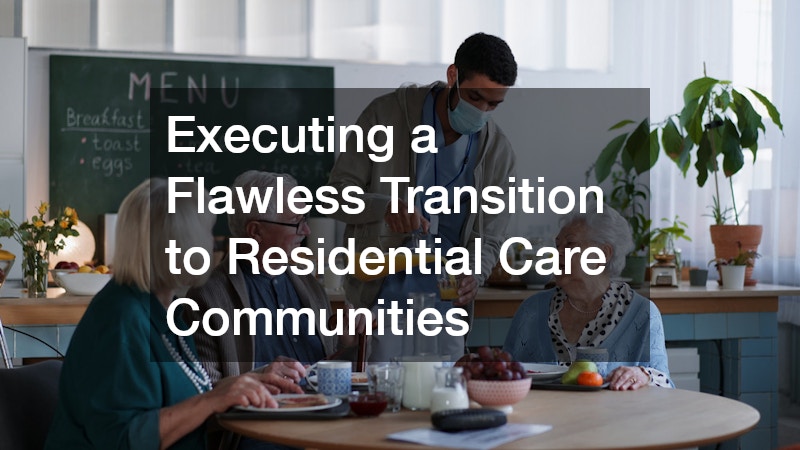
Despite your best efforts to modify the home and deploy extensive private nursing networks, there may come a time when a senior’s complex physical dependencies or advanced cognitive memory declines surpass what can safely or practically be delivered within a private residential setting. When this threshold is crossed, executing a deliberate, highly researched transition into a vibrant, fully integrated residential care community is the safest and most responsible choice you can make for your loved one’s future.
Selecting the right residential community requires looking far past beautiful architectural lobbies and manicured courtyards to evaluate the underlying operational health, staffing metrics, and regulatory history of the facility. You must look for communities that offer a vibrant social atmosphere, high staff-to-resident ratios, and a seamless continuum of care that allows your relative to transition into higher levels of assistance without undergoing another disruptive change of address.
Actionable Tips for Residential Placement Success
- Conduct rigorous regulatory compliance research: Look past promotional brochures and study public state health department databases to evaluate the actual regulatory compliance history, safety citations, and official assisted living ratings of every community under consideration.
- Tour prospective properties unannounced: Visit your top-tier facility choices without a scheduled appointment during peak operational hours—such as weekend lunch services or afternoon activity blocks—to observe real-world cleanliness, resident interactions, and staff responsiveness.
- Select a highly reviewed, multi-tiered senior campus: Choose an accredited local assisted living facility that features a comprehensive continuum of care, ensuring your loved one can access progressive, specialized services if their underlying medical profile shifts over time.
- Cultivate immediate peer and neighborhood integration: Work closely with the lifestyle director at the chosen local assisted living community to pair your relative with an active resident ambassador on their very first day, accelerating their social adjustment and building happy new friendships.
Conclusion
Successfully coordinating elder wellness and navigating the expansive universe of long-term care options is a complex, deeply emotional marathon that demands a structured approach, untiring research, and continuous proactive planning. There are no magical shortcuts or singular solutions when it comes to managing the physical vulnerability and cognitive transitions of an aging parent or relative. True success is achieved when you step forward as an organized, highly informed advocate, building a comprehensive support village that wraps your loved one in a permanent shield of absolute security and respect.
By systematically addressing home accessibility, integrating advanced mobility assists, vetting professional in-home agencies, and utilizing strict regulatory standards to evaluate residential communities, you protect your relative from unnecessary stress and physical trauma. The considerable time and emotional energy you invest into organizing this care ecosystem will be rewarded the moment you see your loved one resting comfortably, engaging joyfully with their peers, and experiencing their retirement years with total dignity. Trust your research, collaborate openly with your medical partners, and find deep comfort in knowing that your dedicated leadership has created a stable, beautiful, and secure framework for your family’s golden chapter.