In today’s healthcare landscape, infection control is a top priority. As hospitals and clinics strive to maintain the highest standards of cleanliness, the role of materials in infection containment becomes ever more critical. Enter polyethylene film, a seemingly modest material that plays a pivotal role in the prevention and management of infections across various settings.
The Importance of Polyethylene Film in Healthcare Settings
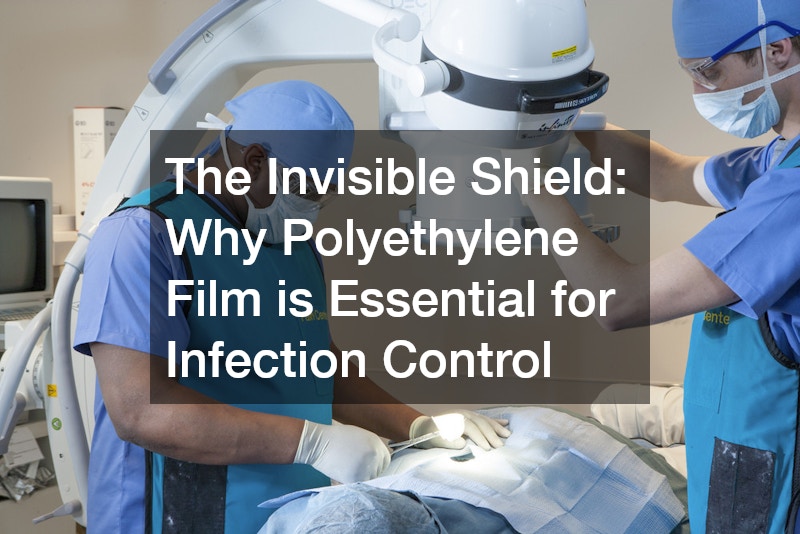
Polyethylene film, often overlooked, forms a critical barrier against the spread of infectious agents. Its use as a protective layer over surfaces means that it acts as an invisible shield, safeguarding both patients and healthcare workers.
The film’s impermeable nature ensures that contaminants such as bacteria and viruses do not escape into the environment, thus minimizing the risk of cross-contamination.
This versatile material is used in a range of applications, from drapes and covers in operating rooms to protective clothing for healthcare personnel. Each application leverages the film’s durability and flexibility, which allow it to form-fit a variety of surfaces and items. By ensuring comprehensive coverage, polyethylene film helps maintain sterile environments essential for patient safety.
Moreover, the application of polyethylene film is not limited to human healthcare facilities. Veterinary clinics and laboratories also benefit from its infection control properties. The film’s ability to withstand a broad spectrum of disinfectants without degradation makes it a reliable choice for establishments concerned with strict hygiene standards.
How Polyethylene Film Contributes to Infection Control Strategies
Infection control strategies often rely on a multifaceted approach that includes sanitation practices, isolation procedures, and protective barriers. Polyethylene film fits seamlessly into this approach due to its cost-effectiveness and efficiency. By creating disposable, one-time-use barriers, polyethylene film reduces the reliance on chemical disinfectants, thereby minimizing chemical exposure hazards.
This is particularly vital in high-risk environments where frequent cleaning is necessary, but potential toxicity from excessive chemical use might pose additional risks. Polyethylene film, when used in tandem with other infection prevention measures, provides an extra layer of security without introducing harmful substances. It’s a strategy that balances routine sterilization duties with sustainability and environmental concerns.
Furthermore, training and awareness programs in healthcare settings often emphasize the correct use of materials like polyethylene film. Proper training ensures that staff can effectively apply and dispose of the film, maximizing its protective benefits and ensuring it’s used safely and efficiently. The importance of integrating such materials into infection control protocols cannot be understated, as it enhances overall healthcare outcomes.
The Future of Polyethylene Film in Infection Control
As innovations in healthcare continue to evolve, so too will the applications of polyethylene film. Advances in technology might see the development of films with enhanced antimicrobial properties or improved biodegradability, addressing current and future healthcare needs. This ongoing innovation serves to strengthen the material’s role in infection prevention strategies and broadens its appeal across medical and non-medical fields.
Research into the environmental impact and lifecycle of polyethylene film also shows promising pathways for further integration into sustainable healthcare practices. By focusing on recycling and reducing waste, the industry can continue to harness the benefits of polyethylene film without compromising ecological commitments. Innovative solutions could lead to the creation of circular economies where materials are perpetually reused, thus setting new standards in both infection control and environmental stewardship.
Moreover, global health events continually remind us of the need for robust infection control systems. The ability of polyethylene film to adapt to various demands and provide consistent protection makes it indispensable. As a cornerstone material in the fight against infectious diseases, polyethylene film’s role is destined to grow, ensuring the safety and well-being of populations worldwide.
Polyethylene film might seem simple, yet its impact on infection control is profound. It supports the delicate balance between effective infectious disease management and ecological considerations by offering reliable, versatile protection in multiple settings. As the healthcare industry continues to evolve, so will the applications of this essential barrier, strengthening our defenses against the spread of infectious agents while paving the way for a safer, more sustainable future.